
Acoustic monitoring · land · decisions
Know where key species are calling — and how to manage for them
Continuous listening that turns a property’s soundscape into practical answers: where birds are, what’s changing, and what to do next.
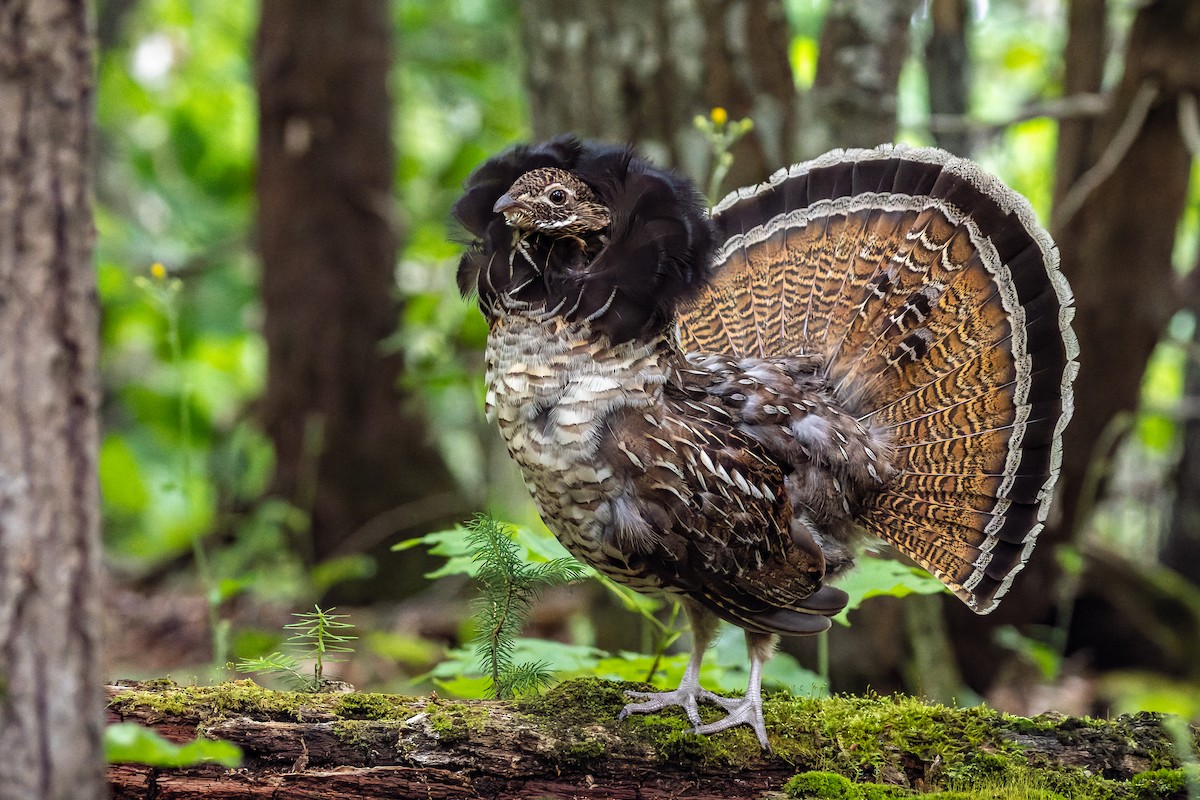
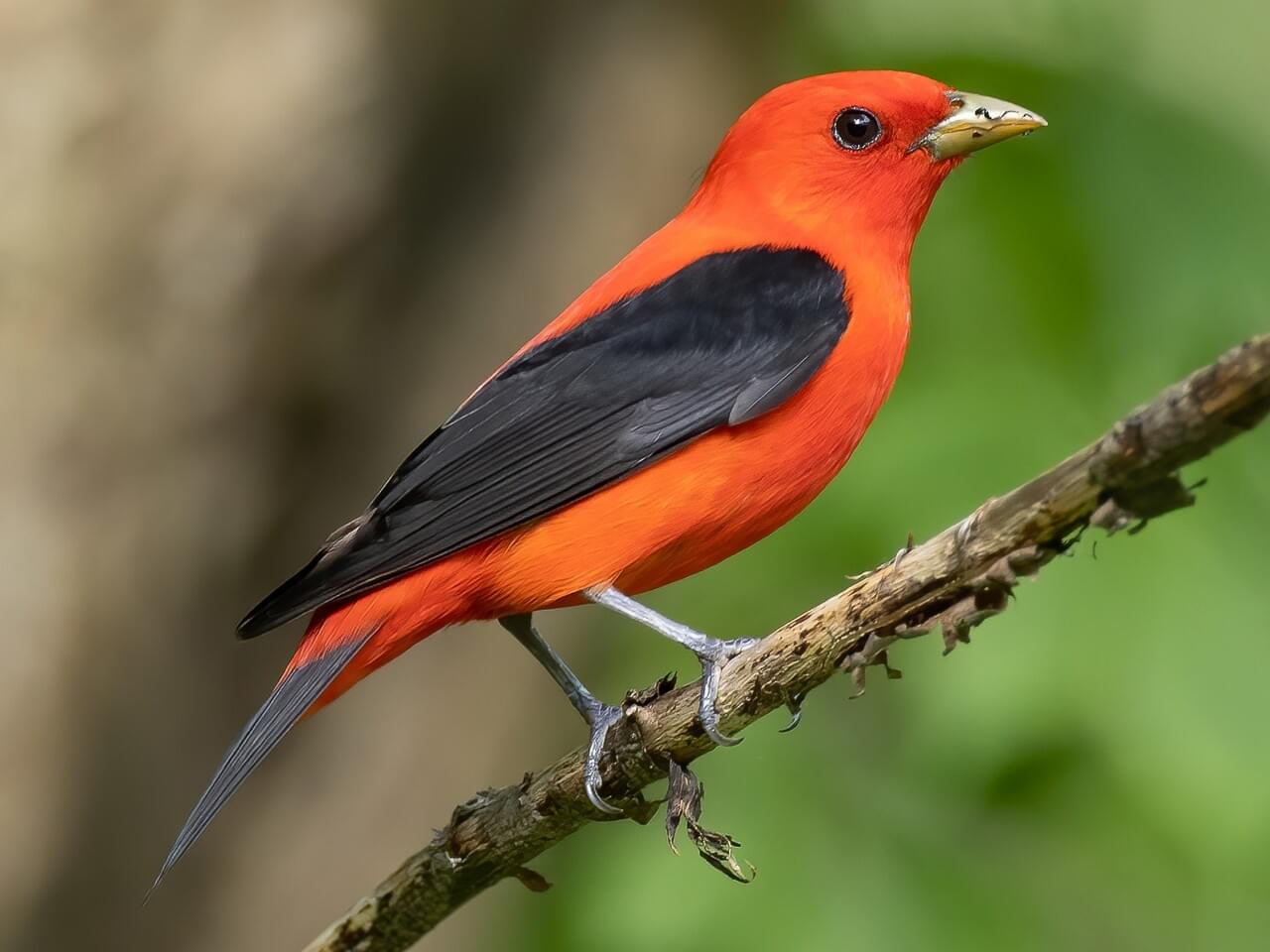
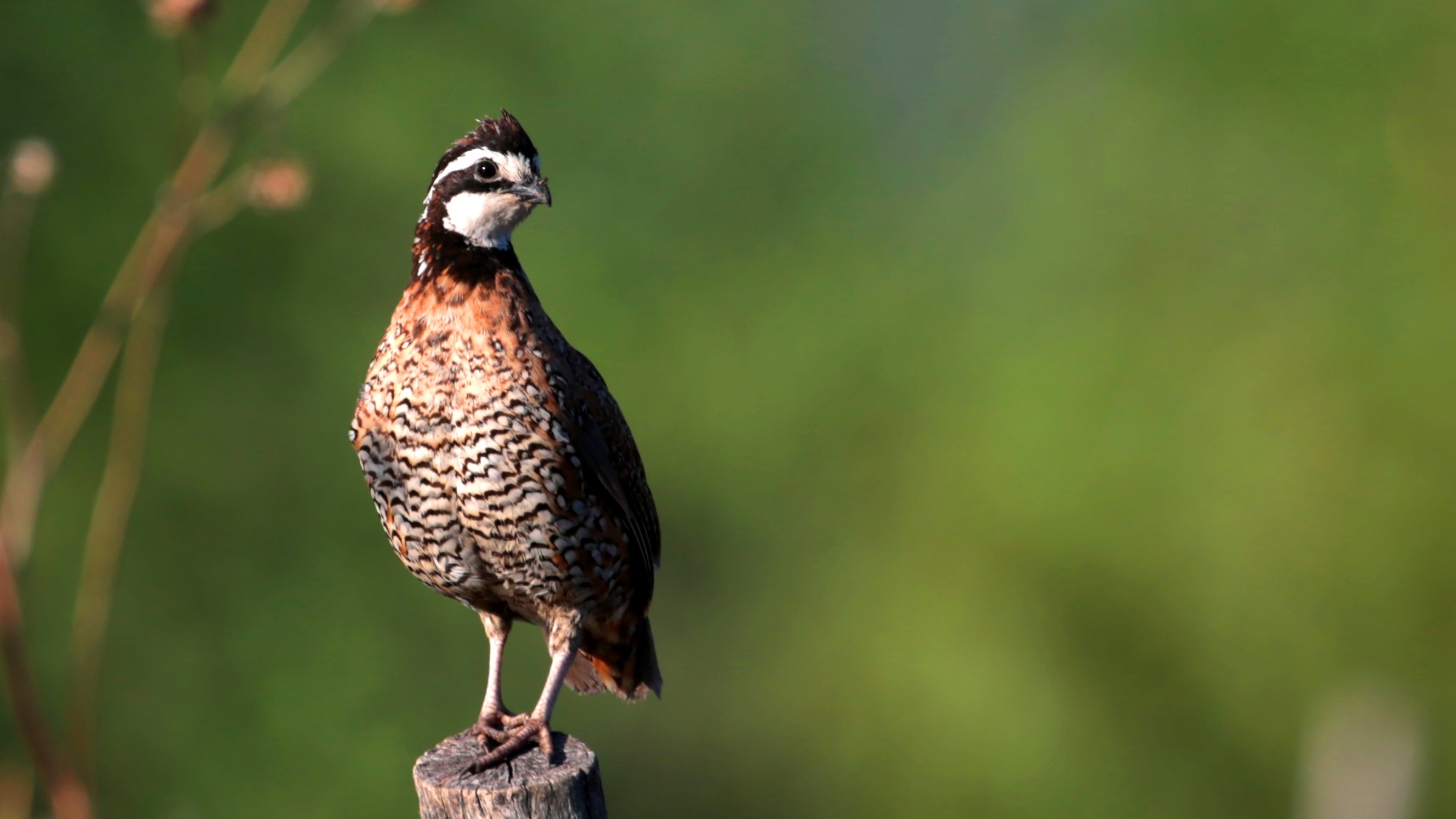
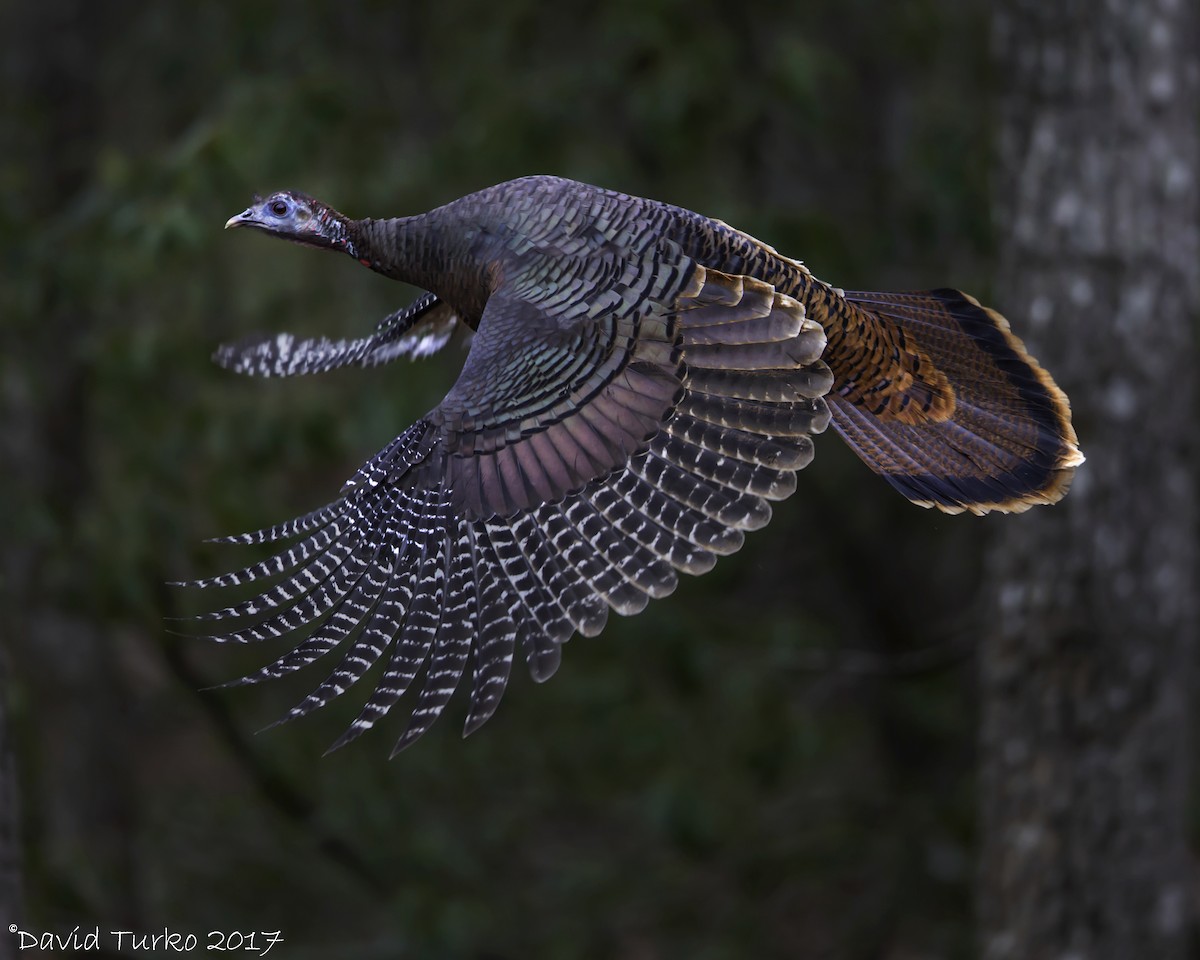
Ruffed Grouse · Photo: U.S. Fish and Wildlife Service / CC BY 2.0 (Wikimedia)
Track record · past impact through education & outreach
~18,977
acres improved
~1,707
people influenced
~179,987
acres planned differently
31
speaker series sessions
Current focus
Acoustic monitoring that informs management
Continuous listening that digitizes the sound of a property — then translates calling into actionable insights: where activity concentrates, what’s changing, and what to do next for bobwhite, turkey, grouse, and the wider bird community.
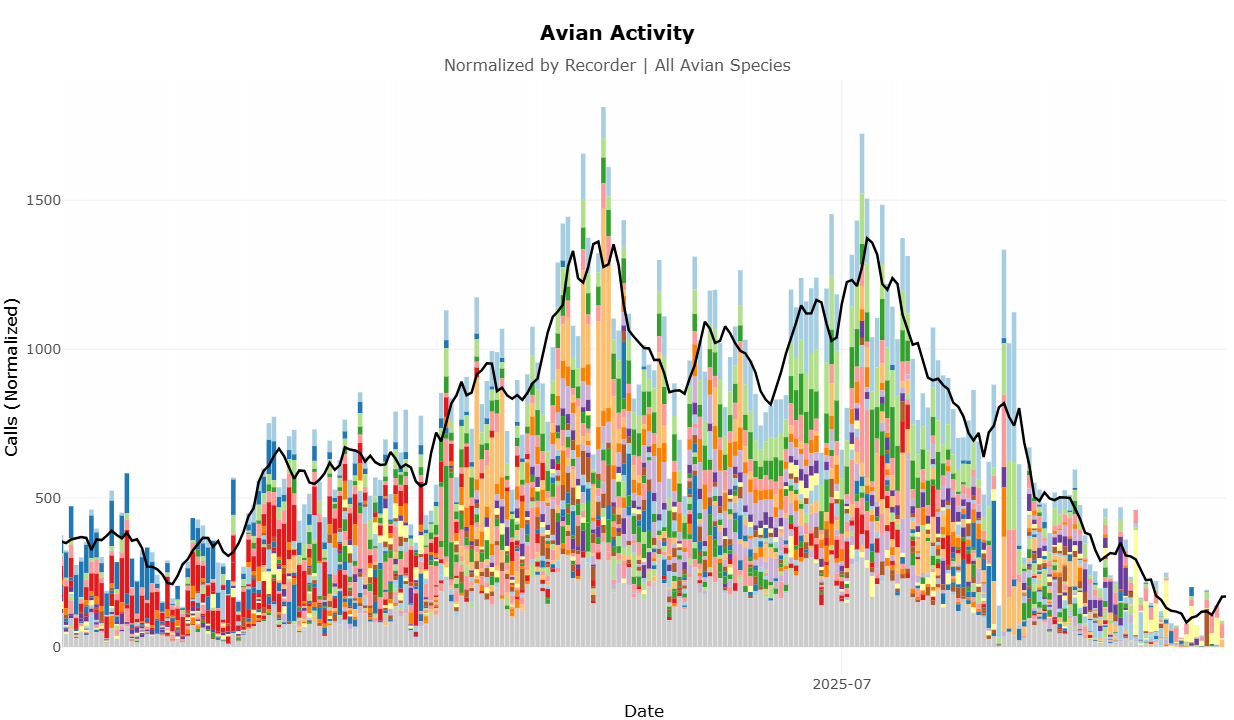
Avian Activity — normalized by recorder | all avian species
Why use acoustics?
- Long-term continuous records — not a few mornings a year
- Eliminates observer bias from who walked which transect
- Reproducible methods you can compare across seasons and sites
- Insights and data validation — turn detections into actionable insights for management
Continuous listening can reveal meaningful population trends earlier, with lower cost and disturbance than many traditional surveys. For the four-method sensitivity comparison, see our acoustics fit page.
How we help
- Site plan tailored to your habitat and goals
- ARU deployment across the property
- Season-long monitoring
- Insights and data validation
- Property report with actionable insights you can act on
What happens next?
Track record · still offered · acoustics leads
Habitat teaching that turns insight into action
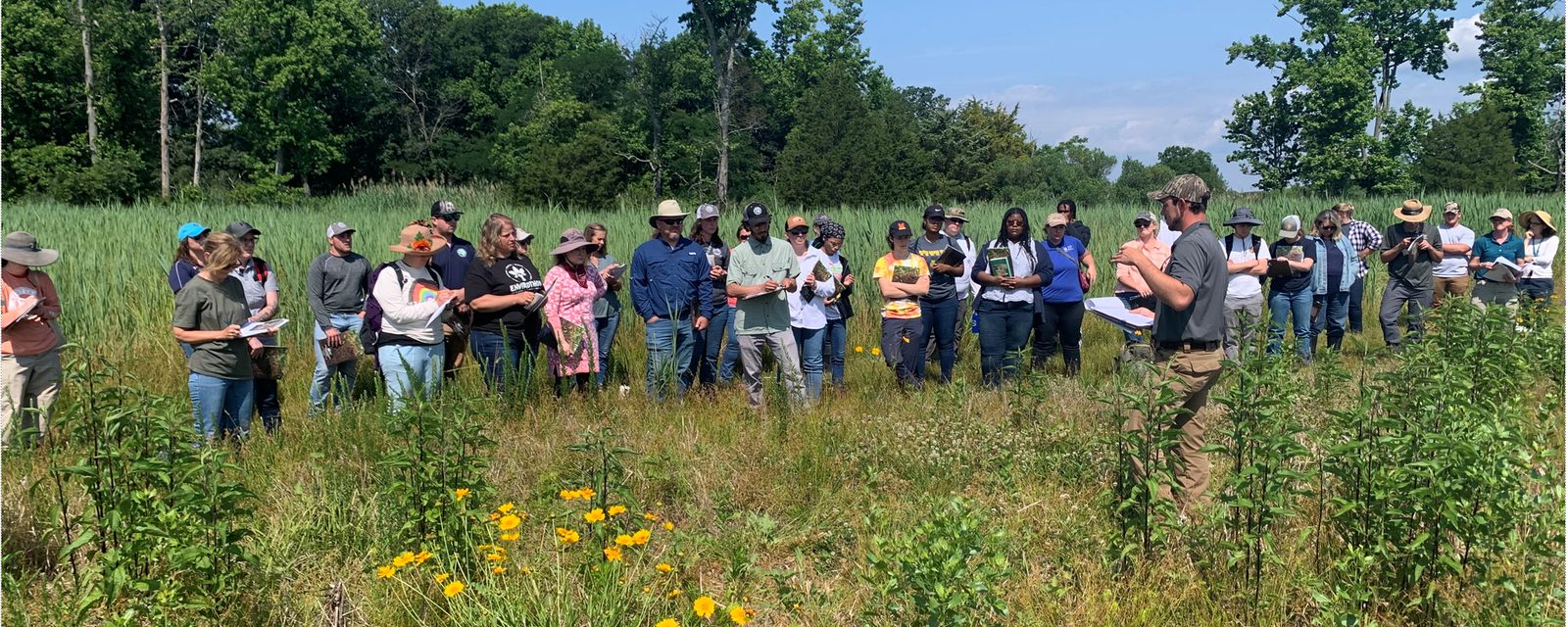
When I was doing education and habitat teaching, a primary need kept coming up: knowing where birds still existed so efforts could focus there. Acoustics was the answer.
I still offer educational programming for habitat work — but acoustic monitoring is the primary focus of the work right now.
~18,977
acres improved
~1,707
people influenced
31
speaker series sessions
From participants
What people say
“Dr. Macaulay has also been instrumental in spearheading acoustic monitoring of northern bobwhite populations, an innovative and rapidly evolving approach that will help us track population trends and inform management actions in the future.”
“Luke has been crucial to helping me with both of my farms — to build better habitat. The programs are full of details and to the point… They work!”
“The wildlife management sessions… about quail management are wonderfully helpful. I came away with a bunch of new ideas about how to better bring back quail to our farm on the Eastern Shore.”
“Luke has done a phenomenal job of bringing land managers of all stripes together to share words of wisdom. I am very grateful for the prescribed fire, grassland bird habitat, and other great knowledge sharing.”
Credibility
Built on Extension excellence
- Ph.D. · UC Berkeley
- Extension Specialist · UC Berkeley + UMD (through 2026)
- Tenure → entrepreneurship · Land & Wildlife
- ~3 years proving acoustics on a ~1,000-acre farm partnership
Read my story · more quotes on About · peer-reviewed & Extension writing on Publications.
Contact
Let’s talk acoustics & land
Curious whether acoustic monitoring fits your property — or how listening can inform habitat decisions.
luke@landwildlife.com